Medical Aesthetics — Upper East Side, NYC

Pico Laser Treatment

From $400 per session

Cutting-edge picosecond laser technology to address pigmentation, sun damage, melasma, and tattoo removal — with minimal downtime and exceptional precision.

20–40 min Per session
1–3 days Downtime
3–6 sessions Typical course
All skin types Safe & adaptable

What Is Pico Laser?

Pico laser (picosecond laser) is one of the most advanced laser technologies available in aesthetic medicine. Unlike traditional nanosecond lasers, which deliver energy in billionths of a second, pico lasers emit ultra-short pulses measured in trillionths of a second (picoseconds) — orders of magnitude faster.

This speed is clinically significant. Because the pulse duration is shorter, less heat is generated in surrounding tissue, making treatments safer, more comfortable, and with dramatically less downtime than older laser technologies. The photoacoustic (pressure) effect — rather than purely photothermal (heat) — is primarily responsible for shattering pigment and stimulating skin renewal.

At Aurelia Aesthetics, our laser specialists design every treatment plan to the individual: your skin type, the specific condition being treated, and your tolerance for downtime all factor into our approach.

10⁻¹² Picosecond pulse speed
3–6 Sessions typically needed
1–3 d Recovery period
$400+ Starting price

How Pico Laser Works

When a pico laser pulse hits a pigmented target — whether a melanin cluster, tattoo ink particle, or damaged skin cell — the ultra-rapid energy delivery creates an intense photoacoustic shockwave. This shatters the target into tiny fragments without overheating surrounding tissue.

The body's immune system then clears these fragments away naturally, causing pigmented spots to fade over a series of weeks following each session. Meanwhile, the shockwave also stimulates fibroblast activity deep in the dermis, triggering new collagen and elastin production — meaning pico laser simultaneously treats pigmentation and improves overall skin quality.

Different wavelengths target different chromophores (colour targets). Our physicians select the appropriate wavelength and settings for each condition to ensure maximum precision and safety.
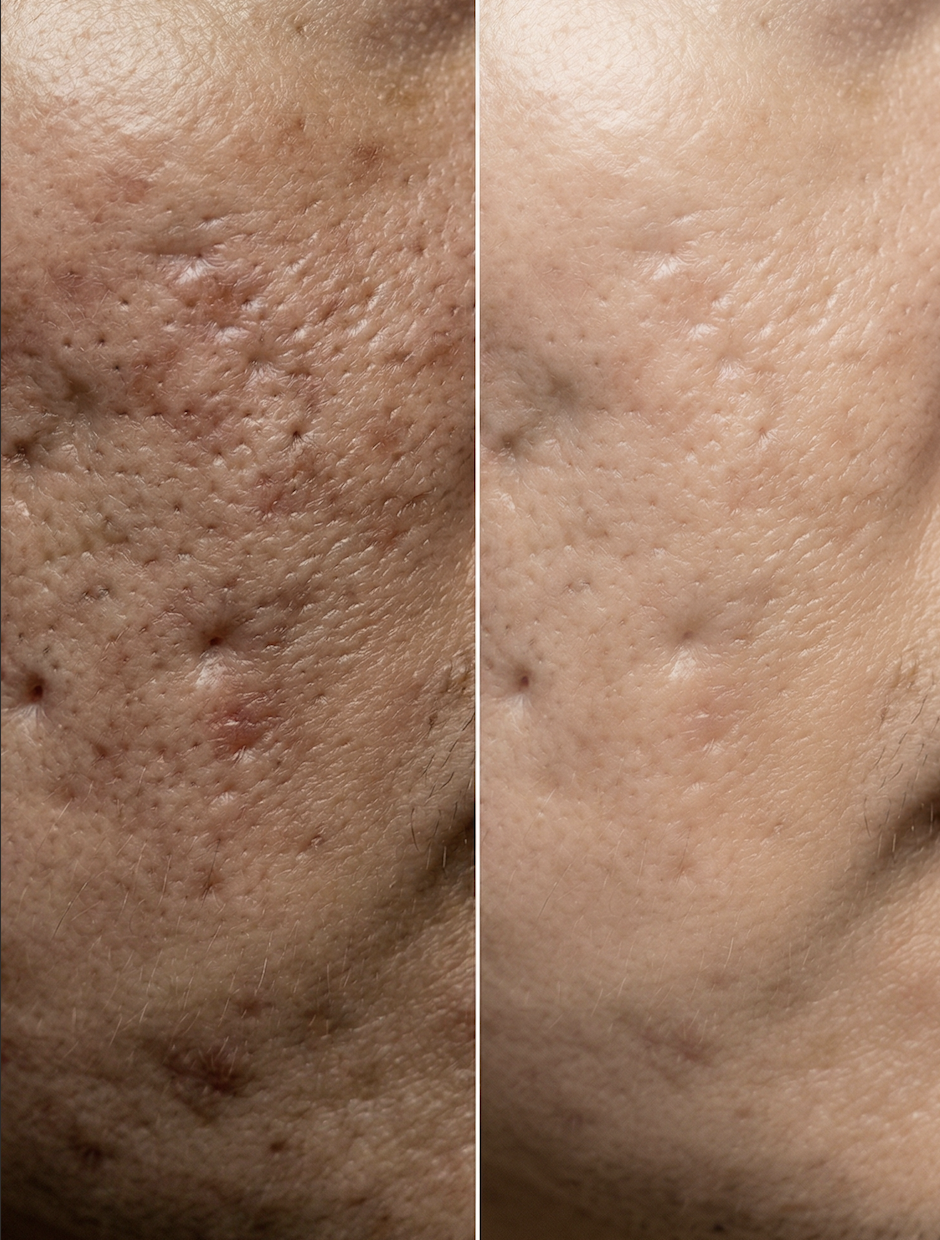
Pico laser treatment

Pico laser technology at Aurelia Aesthetics

Conditions We Treat

Pico laser is one of the most versatile devices in aesthetic medicine, capable of addressing a wide spectrum of pigmentary and textural concerns. Results vary based on the condition, its severity, and the individual's skin type and response.

Sun Damage & Age Spots

Discrete brown spots caused by UV exposure and ageing. Among the most responsive conditions to pico laser treatment, often clearing in 2–4 sessions.

Melasma

Hormonally triggered pigmentation typically appearing on cheeks, forehead, and upper lip. Pico laser combined with topical management is a first-line approach.

Post-Inflammatory Hyperpigmentation (PIH)

Dark marks left following acne, trauma, or inflammation. Pico laser accelerates fading without the risk of worsening pigment in darker skin types.

Freckles & Lentigines

Both hereditary freckles and acquired lentigines (flat brown spots) respond very well. Single-session clearance is often achieved for discrete lesions.

Skin Tone & Texture

The collagen-stimulating effect of pico laser improves overall skin luminosity, pore appearance, and fine surface texture — even in patients without focal pigmentation concerns.

Tattoo Removal

Pico laser is the gold standard for tattoo removal. Multiple ink colours can be targeted, and clearance is typically faster and more complete than with older Q-switched lasers.

The Treatment Process

Each session is personalised to your skin and treatment goals. Our physicians take time to map the treatment areas precisely and adjust parameters accordingly to optimise safety and efficacy.

01

Skin Assessment

A thorough skin analysis identifies the nature and depth of pigmentation. Medical photography is taken for baseline comparison.

02

Numbing

Topical anaesthetic cream is applied for 20–30 minutes prior to treatment for maximum comfort.

03

Laser Treatment

The handpiece is passed over the target areas. You will feel a rapid tapping sensation, often described as an elastic band snapping lightly against the skin.

04

Post-Care & Review

Soothing serum and SPF are applied. Next session is scheduled 4–6 weeks later. Progress is reviewed at each visit.

How Many Sessions Will I Need?

The number of sessions required varies significantly by condition and skin type. Pico laser is not a one-size-fits-all treatment — your physician will set realistic expectations during your initial consultation based on your specific concern.

1
2
3
4
5
6
7
8
9
10+

Shaded range indicates typical number of sessions for most pigmentation cases (3–6).

Sun Spots & Freckles

2–4 sessions. Discrete lesions often show dramatic improvement after the first treatment.

Melasma & PIH

4–8 sessions, often in combination with medical-grade topical therapy for best outcomes.

General Skin Tone & Texture

3–6 sessions for visible improvement in luminosity, pore size, and fine texture.

Tattoo Removal

6–12+ sessions depending on ink colour, tattoo age, size, and depth of ink placement.

Which Skin Types Can Be Treated?

One of the most significant advantages of pico laser technology over older laser systems is its expanded safety profile across a wider range of skin types. Traditional Q-switched and fractional ablative lasers carry higher risks of post-inflammatory hyperpigmentation in darker skin tones. Pico laser's shorter pulse duration and photoacoustic mechanism substantially reduces this risk.

That said, all patients undergo a thorough assessment before treatment. Fitzpatrick Skin Types V and VI require more conservative settings, a longer treatment interval, and careful clinical monitoring.

Type I Very Fair
Type II Fair
Type III Medium
Type IV Olive
Type V Brown
Type VI Deep

Types I–IV: Suitable for standard protocols. Types V–VI: Treatable with adjusted parameters — assessed on an individual basis.

Before & After Care

Laser treatments require thoughtful preparation and diligent aftercare. Following these instructions maximises results and minimises the risk of complications, particularly post-treatment pigmentation in susceptible skin types.

Before Your Treatment

  • Avoid sun exposure and use SPF 50 daily for at least 2 weeks prior. Tanned skin increases the risk of side effects and is a contraindication to treatment.
  • Do not use retinoids, tretinoin, or exfoliating acids (AHA/BHA) for 5–7 days before your session.
  • Discontinue any photosensitising medications (e.g. certain antibiotics, isotretinoin). Discuss with our team if unsure.
  • Do not wax or use hair-removal cream on the treatment area for 1 week prior.
  • Arrive with a clean face, free of makeup and sunscreen.
  • Inform your physician of any recent sun exposure, cold sores (herpes simplex), or changes to medications.

After Your Treatment

  • Apply the soothing post-laser serum provided and keep skin clean and moisturised.
  • Strict sun avoidance is essential. Apply SPF 50+ every morning without exception for at least 4 weeks.
  • Do not pick, rub, or scratch treated areas. Pigmented spots may darken (a normal response) before they flake away.
  • Avoid heat exposure — saunas, steam rooms, hot yoga — for 5–7 days.
  • Do not apply makeup for 24–48 hours post-treatment.
  • Avoid retinoids and active exfoliants for 1 week post-treatment.
  • Some redness and mild swelling for 1–3 days is normal. Cool compresses can provide relief.
  • Contact us if you notice blistering, significant swelling, or any sign of infection.

Frequently Asked Questions

For most pigmentation concerns — particularly melasma, PIH, and sun spots — pico laser is considered superior to traditional Q-switched or nanosecond lasers. The ultra-short pulse duration generates more photoacoustic energy and less heat, meaning the pigment is more thoroughly shattered, results appear faster, there is less risk of post-inflammatory hyperpigmentation, and recovery time is significantly shorter.

Most patients describe the sensation as a rapid tapping or snapping — similar to a rubber band against the skin. We apply topical anaesthetic for 20–30 minutes before treatment to ensure comfort. Areas with thinner skin (around the eyes, upper lip) may be more sensitive. Overall, pico laser is well-tolerated and most patients are comfortable throughout the session.

This is a completely normal and expected phenomenon called "darkening before clearing." Immediately after pico laser, treated spots will appear temporarily darker — sometimes turning grey, brown, or forming a fine crust. This is a sign the laser has successfully targeted the pigment. Over the following 5–14 days, the darkened pigment will naturally exfoliate away, revealing clearer skin underneath. It is critical not to pick at or scrub these areas.

Melasma is a chronic condition driven by hormones, UV exposure, and genetic factors — meaning it can recur after any treatment, including laser. Pico laser is highly effective at clearing existing melasma and is often combined with medical-grade topical agents (such as tranexamic acid or modified Kligman's formula) for the best outcomes. Ongoing sun protection and maintenance treatments are important for long-term management. We will discuss a realistic, sustainable plan during your consultation.

For discrete spots (sun damage, freckles), visible improvement is often apparent within 2–3 weeks of the first session once the treated pigment has shed. For diffuse pigmentation like melasma or PIH, results are more gradual and become increasingly evident after each successive session. Skin luminosity and texture improvements from the collagen-stimulating effect also develop progressively over several weeks following each treatment.

Ready to Begin?

Book Your Complimentary Consultation

Meet with one of our laser specialists to assess your skin and design a personalised treatment programme.

Book a Consultation View All Treatments